
Livebook Press Go to store
Livebook Press is a publisher of digital art, stories, comics and digital media products with AI





The average Silicon Valley startup founder is 34 years old, raises $12 million in funding, and has a valuation of $1 billion. The Silicon Valley unemployment rate is 2.5%, and 50% of startups are founded by immigrants.

Silicon Valley is one of the most innovative and exciting places in the world, thanks to its world-class universities, great climate, and diverse population. The region is constantly changing and evolving , making it an excellent place to live and work.

The sun is an amazing and fascinating object. It is huge, incredibly bright, and very hot. It also contains most of the mass in the solar system and is essential for life on Earth . The sun will eventually die, but not for billions of years.
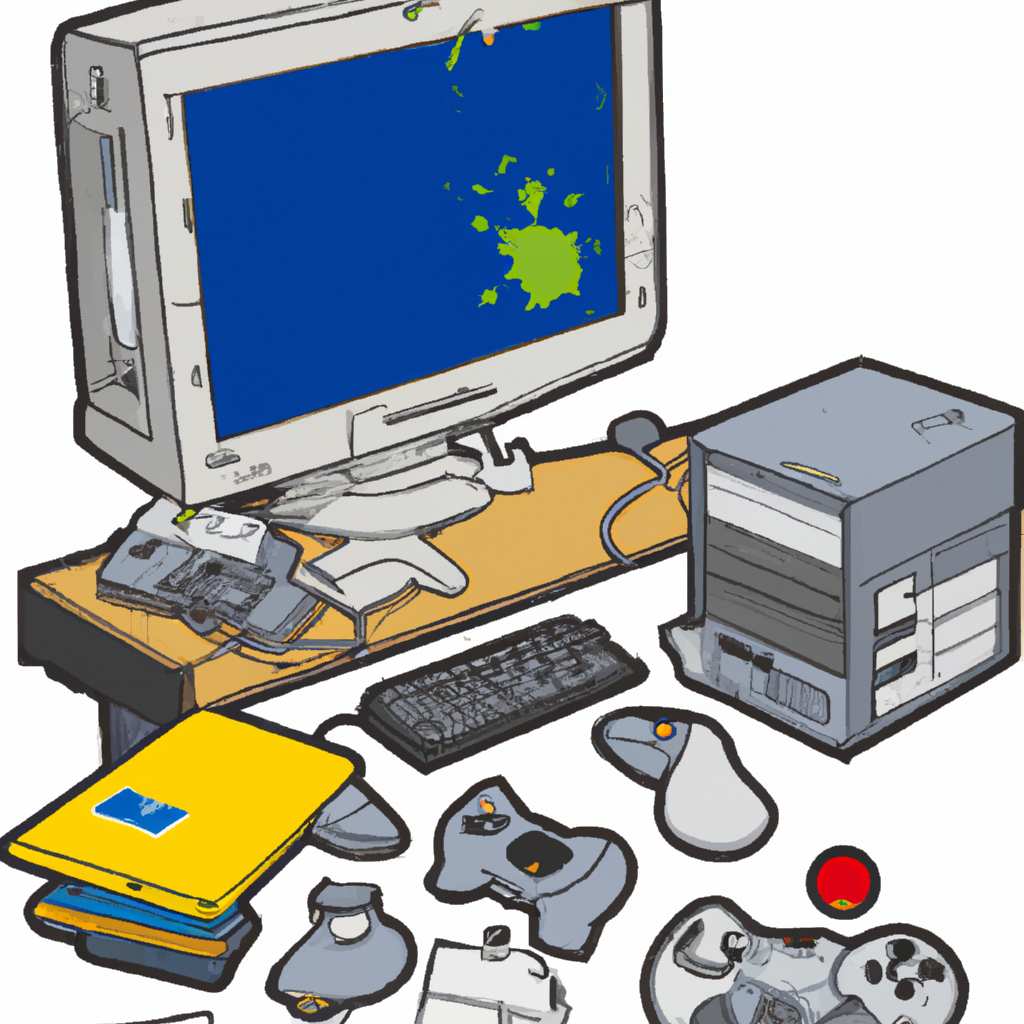
The article covers the history of popular computer games, personal computers, and the internet. It starts with the release of the first popular computer game, "Pong", in 1972, and goes on to discuss the release of the first personal computer, the Apple I, in 1976, and the first IBM PC in 1981. It then covers the history of email and the first website, created in 1991. Finally, it discusses the first online chat room, created in 1997.

Quantum computers are computers that use quantum mechanical phenomena to perform calculations. They are different from classical computers in many ways, and are able to perform certain tasks much faster. They are also very good at solving certain problems that classical computers cannot.

Hypothyroidism is a condition in which the body does not produce enough thyroid hormone. This can lead to fatigue, weight gain, depression, and other health problems. Hashimoto's disease is the most common cause of hypothyroidism. There is no cure for hypothyroidism, but treatment can help improve symptoms.

Twitter is a popular social media platform that allows users to share short messages, or tweets, with the world. Twitter was originally conceived as an SMS service, but has since grown to become a global phenomenon with over 320 million users. Twitter is available in over 40 languages and users tweet an average of 20 times per day. In 2012, Twitter acquired Vine, a popular 6-second video sharing service.